The Science Behind Modern Dental Restorations
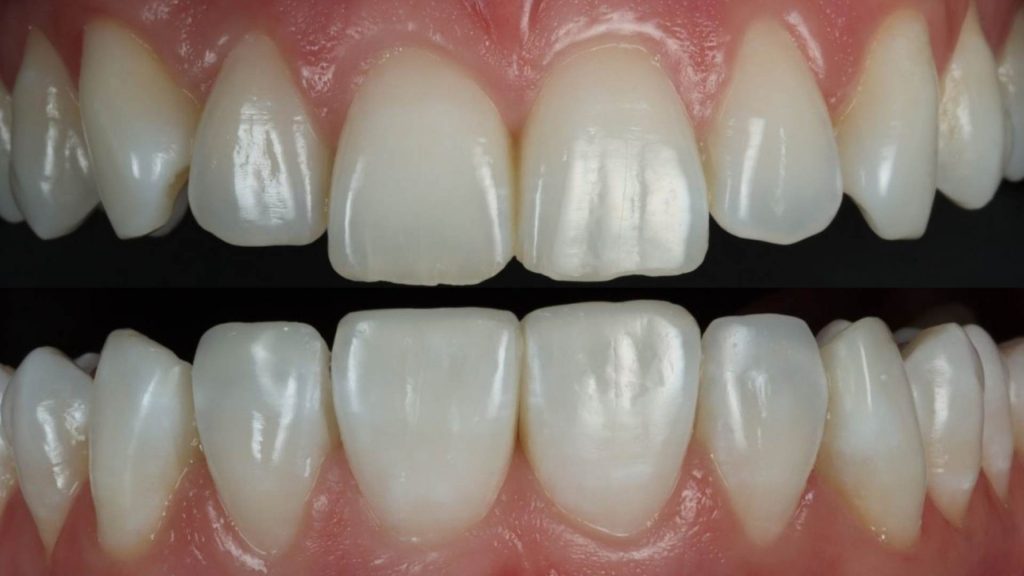
Composite bonding has become an important part of modern restorative and cosmetic dentistry, offering a versatile way to repair damaged teeth and improve the appearance of a smile. By combining strength with a natural-looking finish, composite materials allow dental professionals to address concerns such as chips, cracks, gaps and minor imperfections while preserving as much natural tooth structure as possible.
Composite resin bonds to enamel and dentine through a carefully controlled process involving surface preparation and specialised bonding agents. This creates a strong connection between the restoration and the natural tooth, helping the material remain securely in place during everyday activities such as chewing. The longevity of composite bonding depends on factors including the size and location of the restoration, oral hygiene habits and biting forces. If you are considering restorative or cosmetic treatment, a dentist Limerick can assess your teeth and explain whether composite bonding is suitable for your needs.
The Composition of Modern Bonding Materials
Today’s composite materials consist of a resin matrix combined with filler particles, typically made from glass or ceramic compounds. The resin component provides the adhesive properties, whilst the filler particles contribute strength and wear resistance. This combination creates a material that closely mimics the physical properties of natural tooth structure, including its ability to flex slightly under pressure and its interaction with light. The precise formulation varies between manufacturers, but the fundamental principles remain consistent across the industry.
How Enamel and Dentine Accept Bonding Materials
The outermost layer of teeth, enamel, presents a highly mineralised surface that requires specific preparation techniques to accept bonding materials effectively. Dental professionals use acid etching to create microscopic irregularities in the enamel surface, which allows the composite resin to flow into these spaces and form mechanical retention. This process, refined over decades of research, creates an incredibly strong bond that can withstand the considerable forces generated during chewing and biting. When performed by an experienced dentist Limerick practitioners and their colleagues worldwide follow these established protocols to ensure optimal results.
Dentine, the layer beneath enamel, presents different challenges due to its organic composition and moisture content. Composite materials bond differently to enamel and dentine because dentine contains tubules filled with fluid and requires specialised bonding agents that can accommodate this moisture whilst still creating a strong adhesive connection.
The Role of Adhesive Systems
Modern adhesive systems serve as the crucial intermediary between natural tooth structure and composite materials. These bonding agents contain hydrophilic and hydrophobic components that allow them to interact with both the moist dentine surface and the resin-based composite material. The application technique significantly influences the longevity of restorations, as proper moisture control and layering ensure optimal penetration into the tooth structure. Contemporary adhesive systems have evolved to simplify this process whilst maintaining exceptional bond strength.
Factors Influencing Long-Term Success
The durability of composite restorations depends on numerous variables beyond the materials themselves. Polymerisation shrinkage, which occurs as the composite cures, can create stress at the bond interface if not properly managed. Skilled practitioners employ incremental layering techniques to minimise this effect, building up the restoration in thin layers rather than placing bulk amounts of material. This approach distributes stress more evenly and reduces the likelihood of marginal gaps developing over time.
Environmental factors within the oral cavity also play a substantial role in restoration longevity. Temperature fluctuations, pH variations, and mechanical forces all challenge the bond between composite and tooth. Research into the longevity and clinical performance of dental composites has demonstrated that proper material selection and placement technique significantly influence how well restorations withstand these challenges over extended periods.
Advances in Material Technology
Recent developments in composite technology have introduced nanofiller particles and improved resin formulations that enhance both strength and aesthetics. These innovations have expanded the applications for composite bonding beyond simple cavity fillings to include extensive reconstructions and cosmetic enhancements. The materials now available to practitioners specialising in enamel and dentine bonding offer unprecedented versatility and performance characteristics that were unimaginable just two decades ago.
The Future of Dental Restorations
Understanding the interaction between composite materials and natural tooth structure illuminates why modern restorations achieve such impressive longevity and aesthetic results. The sophisticated chemistry involved in creating molecular bonds with enamel and dentine, combined with refined clinical techniques, ensures that patients benefit from restorations that function and appear remarkably similar to natural teeth. As material science continues advancing, the prospects for even more durable and biocompatible restorative options remain exceptionally promising for future generations seeking dental care.