The Fundamental Role of Dental Implants in Maintaining Oral Architecture
The human mouth operates as a remarkably intricate system where each tooth plays a vital role in maintaining the structural integrity of the entire dental arch. When a tooth goes missing, the consequences extend far beyond the obvious gap in one’s smile. The surrounding teeth begin a gradual migration towards the empty space, creating a domino effect that can compromise the alignment of the entire mouth. This phenomenon represents one of the most compelling reasons why dental implants in Plymouth have become an increasingly popular solution for tooth replacement amongst dental professionals and patients alike.
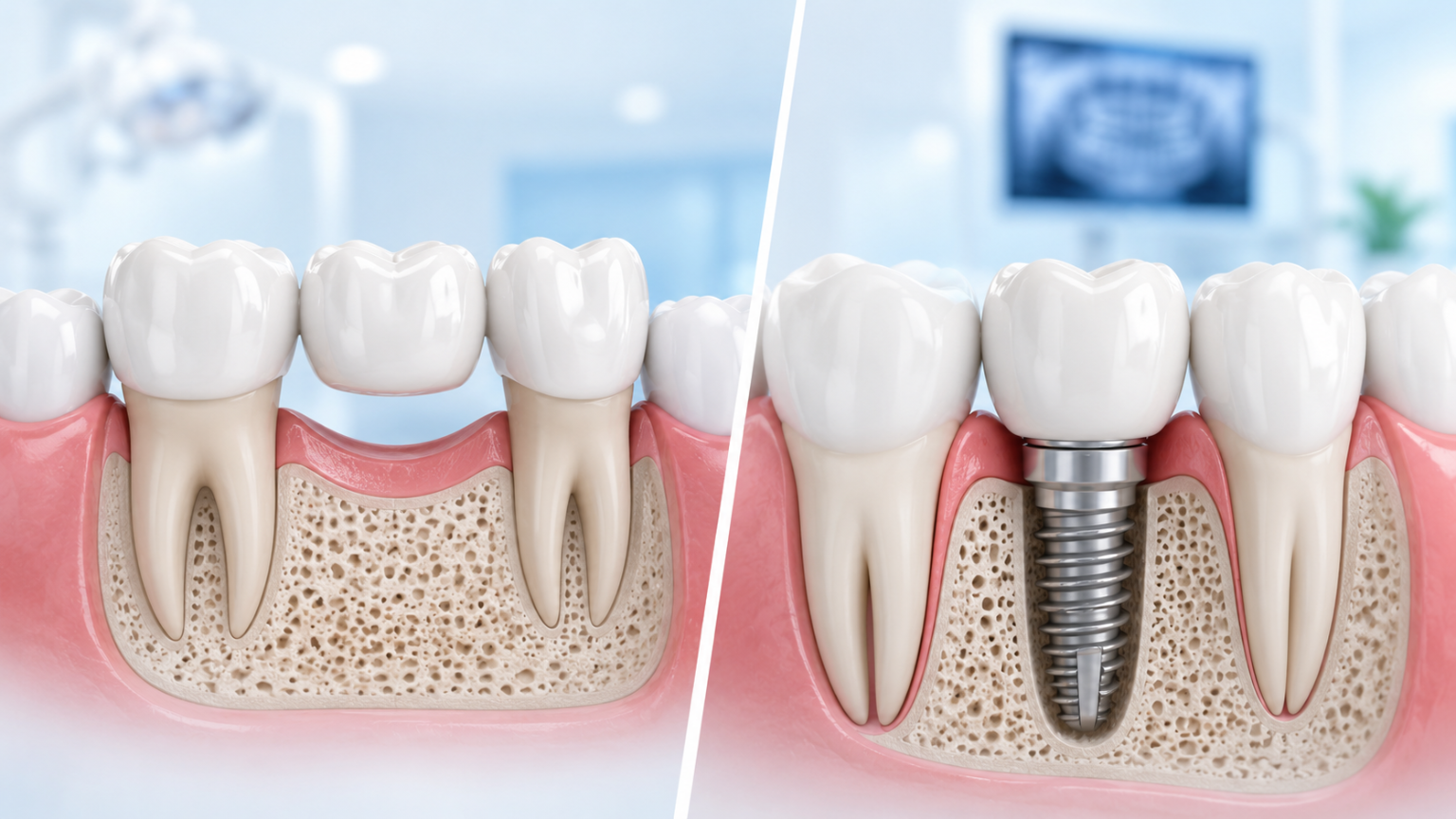
Dental implants serve as artificial tooth roots, anchored securely into the jawbone through a process called osseointegration. Unlike traditional bridges or dentures, implants provide a permanent foundation that prevents neighbouring teeth from shifting out of position. This stability proves essential in preserving the natural spacing that evolution has carefully designed over millennia. The implant acts as a placeholder, maintaining the precise dimensions required for optimal oral function whilst simultaneously preventing the cascading alignment issues that typically follow tooth loss.
How Missing Teeth Trigger Overcrowding and Misalignment
The mechanics behind tooth migration might surprise those unfamiliar with dental anatomy. Teeth remain in position through a delicate balance of forces, including pressure from adjacent teeth, the tongue, and the lips. When a tooth disappears from this equation, the equilibrium collapses. Adjacent teeth begin tilting towards the gap, whilst opposing teeth may erupt further from their sockets in a process known as super-eruption. These movements create spaces elsewhere in the mouth, potentially leading to food traps, increased plaque accumulation, and an elevated risk of periodontal disease.
The timeline for these changes varies considerably between individuals, though most dental professionals observe noticeable movement within twelve months of tooth loss. Younger patients with denser bone structure may experience more rapid shifts, whilst older individuals might see a slower progression. Regardless of pace, the end result remains problematic: what begins as a single missing tooth can evolve into a complex orthodontic challenge affecting multiple teeth across both dental arches.
The Broader Health Implications of Tooth Spacing Issues
Beyond aesthetic concerns, improper tooth spacing creates numerous functional difficulties. Misaligned teeth distribute biting forces unevenly, placing excessive stress on certain teeth whilst underutilising others. This imbalance can lead to premature wear, fractures, and temporomandibular joint disorders. Furthermore, he health benefits of dental implants extend to preventing these complications by maintaining proper occlusion and bite alignment throughout one’s lifetime.
The Preventative Power of Dental Implants
The strategic placement of dental implants addresses overcrowding issues before they manifest. By filling the void left by a missing tooth, implants eliminate the pathway for adjacent teeth to drift. This preventative approach proves far more economical and less invasive than addressing orthodontic complications years down the line. Patients who opt for implant placement shortly after tooth extraction often avoid the need for braces, aligners, or other corrective treatments that might otherwise become necessary to restore proper dental alignment.
The success of this preventative strategy relies heavily on timing and professional expertise. Dental professionals typically recommend implant placement within three to six months following tooth extraction, though immediate placement procedures have gained traction in recent years. This window allows for adequate healing whilst preventing significant bone resorption, which can complicate implant placement and compromise the long-term stability of surrounding teeth.
Comprehensive Treatment Planning for Optimal Results
Modern implant dentistry employs sophisticated diagnostic tools to ensure precise placement and optimal spacing outcomes. Three-dimensional imaging technology allows practitioners to visualise bone density, nerve pathways, and sinus cavities before surgery commences. This meticulous planning ensures implants occupy the exact position of the original tooth root, preserving natural spacing and preventing future alignment issues. When considering the key advantages that patients experience with dental implants, the preservation of proper tooth spacing ranks amongst the most significant long-term benefits.
The materials and design of contemporary implants contribute substantially to their effectiveness in maintaining dental architecture. Titanium and zirconia implants integrate seamlessly with jawbone tissue, creating a bond stronger than many natural tooth roots. This robust foundation withstands the considerable forces generated during chewing, ensuring the implant remains stationary whilst supporting the surrounding dental structure. Patients exploring different implant options and their suitability should discuss spacing considerations with their dental professional to determine the most appropriate solution for their unique circumstances.
Preserving Your Smile’s Natural Balance
Dental implants represent a sophisticated solution to the complex challenge of maintaining proper tooth spacing following tooth loss. By preventing the migration of adjacent teeth and preserving jawbone integrity, implants safeguard the natural architecture of the mouth. This proactive approach not only maintains aesthetic appeal but also protects against the functional complications and additional treatments that overcrowding inevitably brings. For those facing tooth loss, understanding the role of implants in preserving dental spacing proves essential in making informed decisions about long-term oral health.


